History
History of the Pärnu Music Festival & Järvi Academy
“My grandmother lived in Pärnu, and as a child, we came here every year for our summer holidays. My happiest memories are of growing up here. I remember wandering along the beaches, the river and through the forests, without a care in the world.
When I think of the best times of my life, I always think of this place.”
— Paavo Järvi
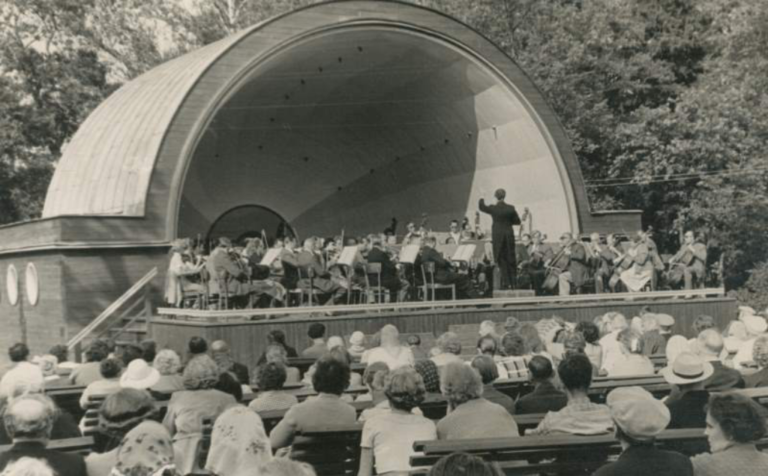
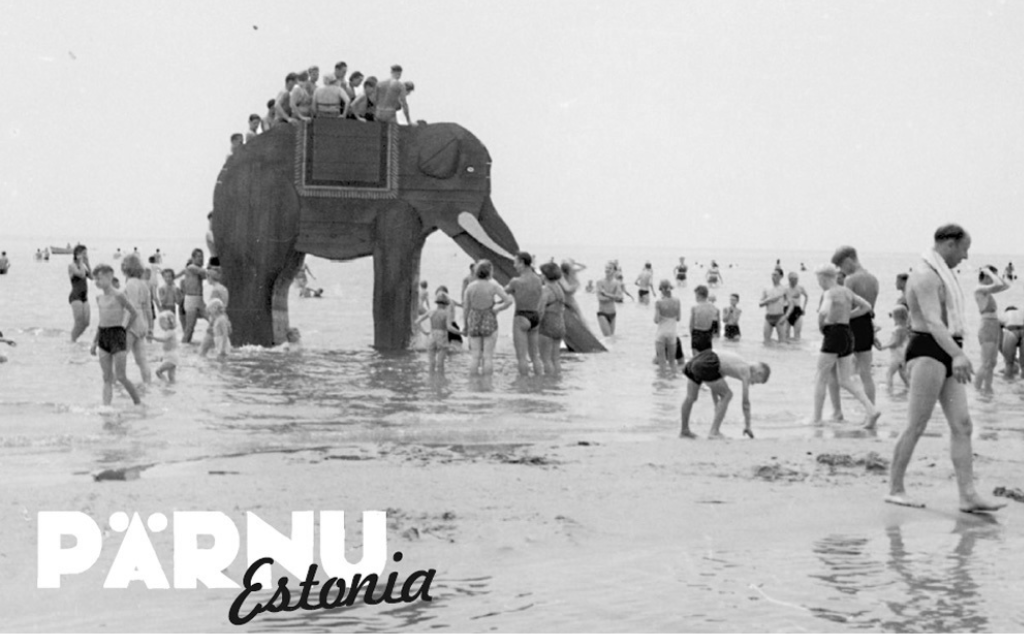
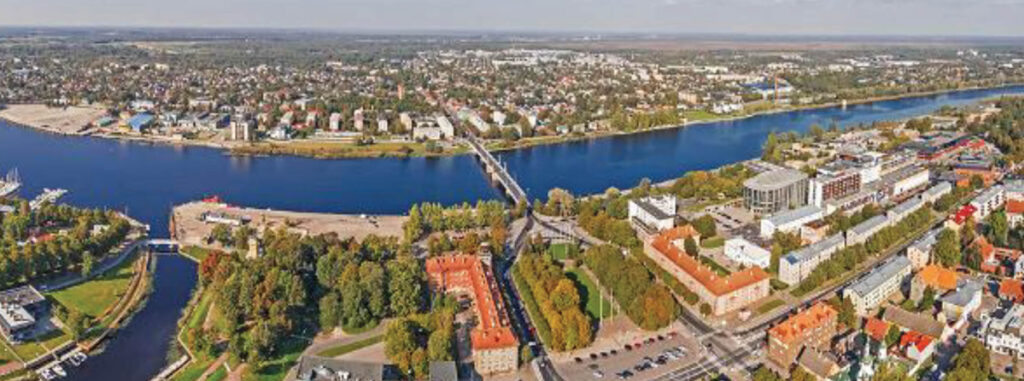
For generations, Pärnu has been a special place, where families return each summer and time seems to magically stand still. For many musicians, it was also a summer refuge, particularly over the past century. Once a Hanseatic city and an important port with historic connections to Tallinn and Riga, Pärnu played a significant role during Estonia’s national awakening in the second half of the 19th century.
It was here that Estonia’s first regularly published newspaper was established which, through its social, cultural and literary content, helped foster a growing sense of Estonian national identity. During the same period, Pärnu underwent rapid modernisation and developed into a fashionable seaside resort, known for its mild climate and sandy beaches. Visitors arrived each summer from Tallinn, Riga and farther afield, transforming the city into one of Estonia’s most beloved holiday destinations.
Pärnu also holds a special place in Estonia’s story of independence. On the evening of 23 February 1918, the Estonian Declaration of Independence was publicly proclaimed here, one day before it was formally announced in Tallinn. During the two decades of Estonia’s first independence, Pärnu particularly flourished as a popular resort, welcoming visitors throughout the summer months. The elegant buildings around the main beach, together with the statue of a local musician whose life ended tragically, still speak of that era.
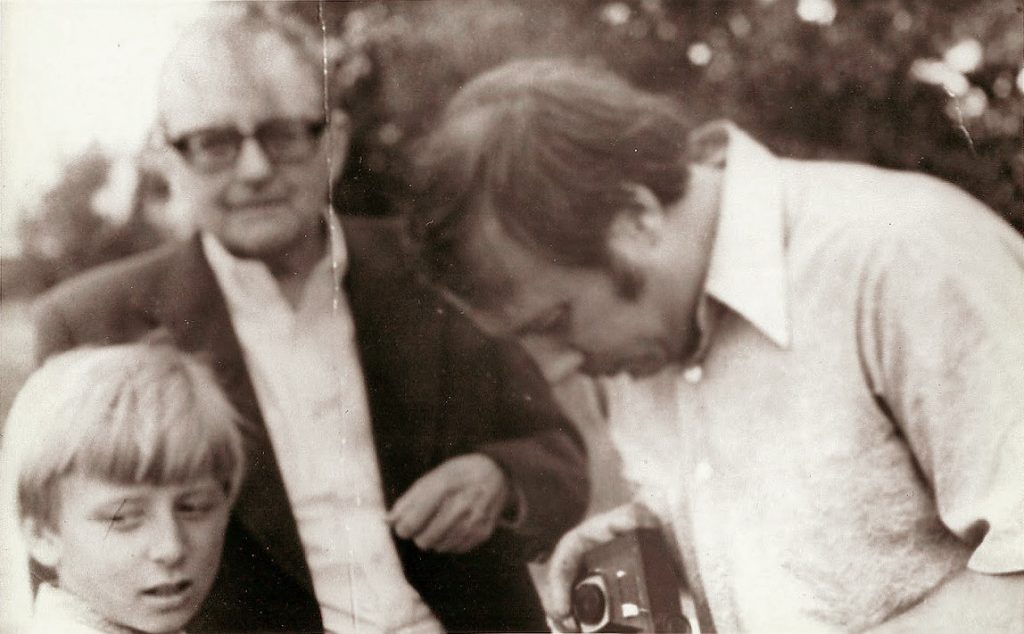
During the Soviet period, Pärnu retained its status as a cultural resort, and for classical musicians, it was the place where they could feel closest to the West within the confines of the Soviet borders. It was here that the young Paavo Järvi met Dmitri Shostakovich in 1973, and where David Oistrakh spent his summer holidays.
The Järvis, like Arvo Pärt and his family, were forced to leave Estonia in the early 1980s. After Estonia regained its independence, however, Paavo Järvi and his family returned to Pärnu, renewing their deep connection with the city. In 2009, they established the Järvi Academy, followed by the first Pärnu Music Festival in 2011. Today the Pärnu Music Festival has grown to be Estonia’s leading classical summer event, bringing together more than 300 international musicians, students and teachers each year and featuring 5 orchestras. What began as a family’s return to a place filled with childhood memories has become an international musical tradition—one that continues Pärnu’s long history as a summer home for music, musicians and generations of families.